
A Guide to Overwintering Insects
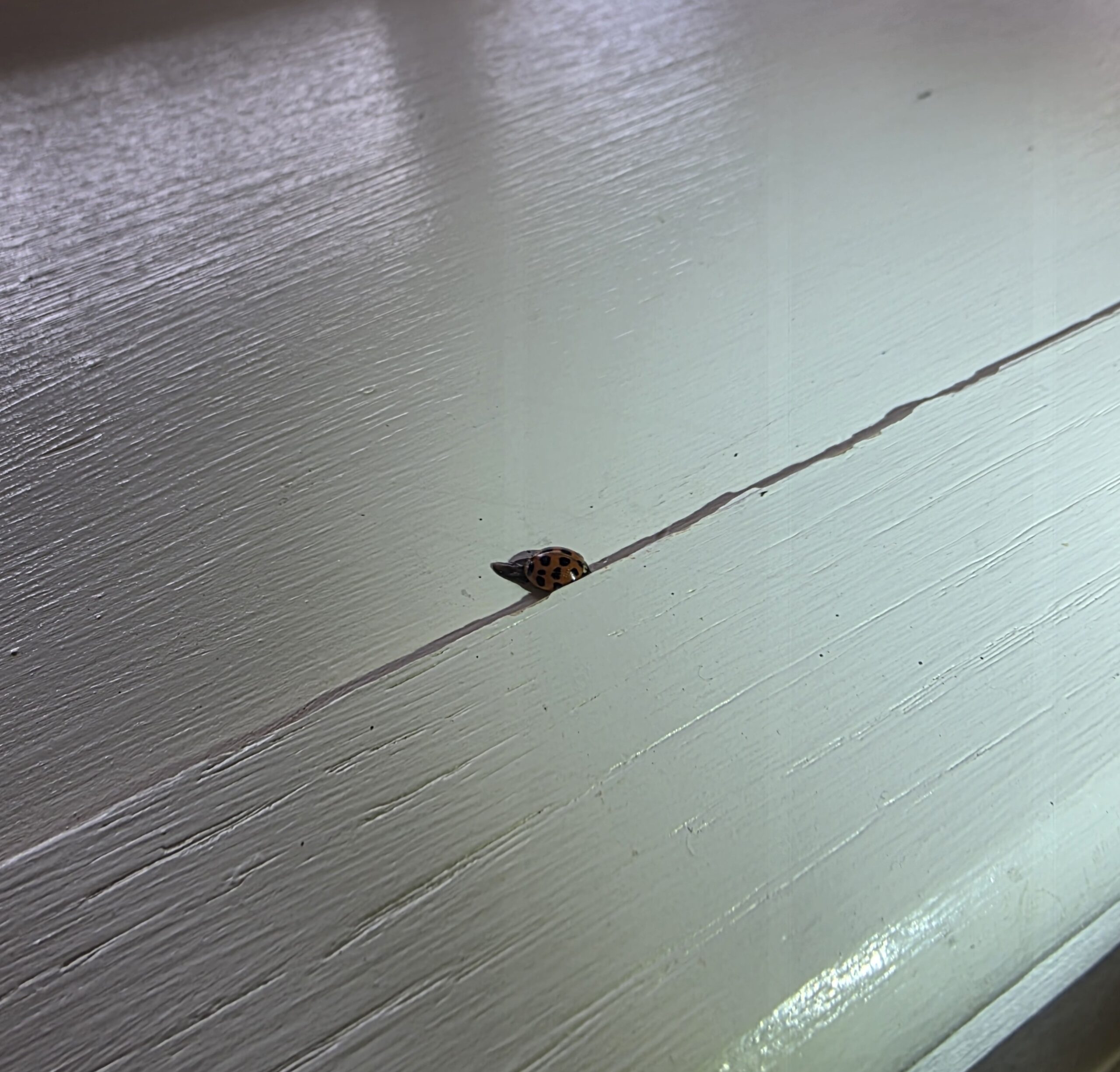
As the temperatures drop, we bundle up in coats and turn up the heat. Unfortunately, we aren’t the only ones looking for a cozy place to spend the winter. In the pest control world, we call this overwintering.
While they might seem harmless, pests like Ladybugs (specifically the Asian Lady Beetle) and Boxelder Bugs can quickly turn from a few sightings into a full-blown indoor invasion.
The Main Culprits: More Than Just a Cute Beetle
Not every "ladybug" you see is a lucky charm. Here are the most common winter squatters:
-
Asian Lady Beetles: These look like traditional ladybugs but are more aggressive. When stressed, they emit a yellow, foul-smelling liquid that can stain your curtains and furniture.
-
Boxelder Bugs: Identifiable by their black bodies and red-orange markings, these pests congregate on the sunny side of houses before finding a crack to squeeze through.
-
Brown Marmorated Stink Bugs: They don't bite, but if you crush them, you’ll quickly find out how they got their name.
What to Look Out For
These insects aren't coming inside to eat your food or ruin your wood; they are looking for diapause—a state similar to hibernation. Keep an eye out for:
-
Sunny Side Gatherings: On crisp, sunny days, check the south and west-facing exterior walls of your home. If you see hundreds of beetles basking there, they are looking for a way in.
-
The "False Spring" Effect: On unseasonably warm winter days, you might see them crawling around your windows or lights inside. They think it's spring and are trying to head back out.
-
Entry Points: Check for gaps around window frames, door sweeps, and attic vents. If a credit card can fit through the gap, a beetle can too.
Why You Shouldn't Just Reach for the Vacuum
While vacuuming them up is a quick fix, it doesn't solve the root of the problem. If you have a large infestation, the scent left behind can actually attract more pests next year. Plus, squashing them can leave permanent stains on your carpet or walls.
How to Protect Your Home
The best defense is a good offense. Sealing and exclusion are the keys to a pest-free winter.
Pro Tip: Don't wait until you see them in your living room. The best time to treat for overwintering pests is in the late summer or early fall before they enter the wall voids.
Need a Winter-Proof Home?
If you're tired of sharing your home with smelly beetles and buzzing bugs, we can help. Our team specializes in finding those hidden entry points and providing a protective barrier that keeps the "great outdoors" where it belongs—outdoors.