
The Homeowner’s Guide to WDI Inspections in Northern Virginia
If you’re buying a home in Fairfax, Loudoun, or Prince William County, you’ve likely heard the term "WDI Inspection" pop up during the contract process. Whether you are a first-time buyer or a longtime homeowner, understanding this inspection is key to protecting your biggest investment.
In Northern Virginia, our climate is a playground for wood-destroying pests. Between our damp springs and humid summers, our local structures are under constant threat. Here is everything you need to know about WDI inspections and how we can help.
What is a WDI Inspection?
WDI stands for Wood-Destroying Insect. Unlike a general home inspection that looks at your HVAC or roof, a WDI inspection is a specialized, deep-dive search for pests that compromise a home's structural integrity.
In Virginia, most real estate transactions—especially those involving VA, FHA, or HUD loans—require an official NPMA-33 Report. This is the industry-standard document we provide to prove a home is clear of active infestations.
Why Northern Virginia Homes Are at Risk
Our region is home to several pests that don't just "visit" your house, they damage it. During our inspection, we look for:
-
Eastern Subterranean Termites: The #1 threat in VA. They live in the soil and build "mud tubes" to reach the wood in your home. They can cause thousands of dollars in damage before you ever see a single bug.
-
Carpenter Ants: They don't eat wood for food, but they excavate it to build nests. Because they prefer damp wood, they are common in NOVA homes with old window frames or leaky gutters.
-
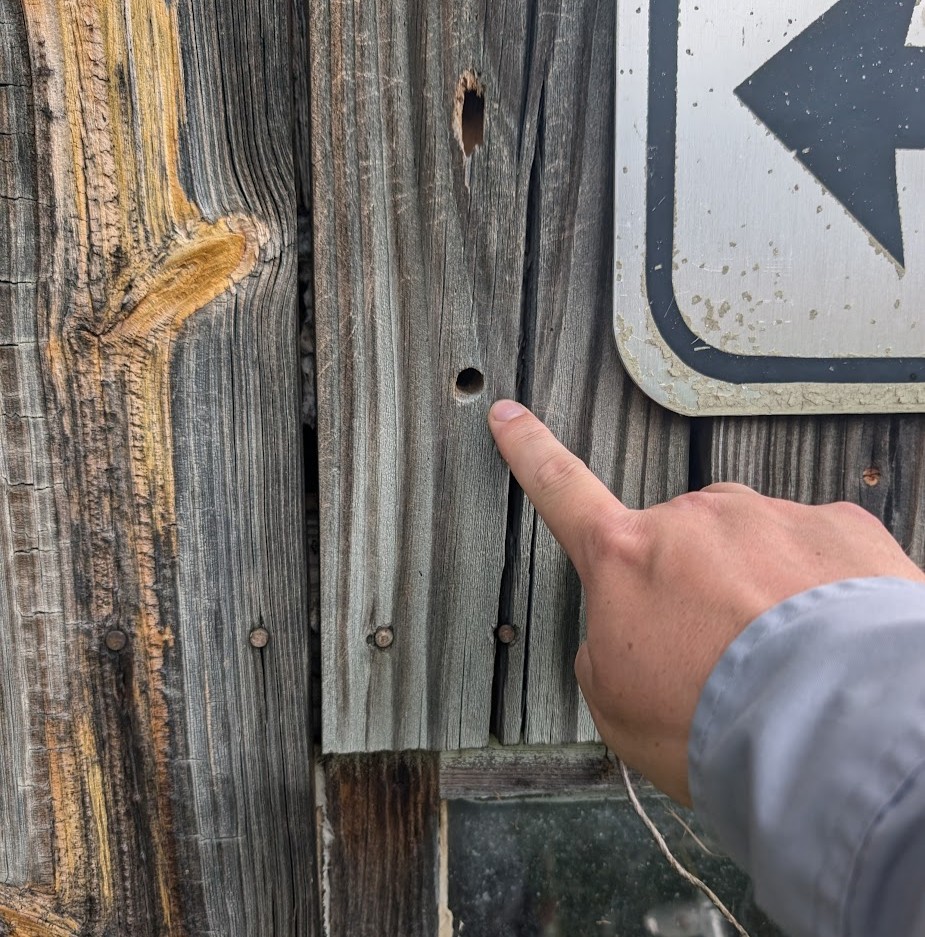
Carpenter Bees: Often seen hovering around decks and eaves in the spring, these bees bore perfectly round holes into softwoods to lay eggs.
-
Powderpost Beetles: These "silent" pests turn structural timber into a fine, flour-like powder over several years.
What Happens During Our Inspection?
When you book a WDI inspection with us, we don't just walk the perimeter. We perform a "boots on the ground" search of:
-
The Foundation: We look for mud tubes, exit holes, and other wood destroying insect activity along the exterior and interior crawl spaces or basements.
-
Probing Wood: We "tap" and probe exposed wood in garages, sills, and joists to find hollow spots that indicate hidden damage.
-
The High Points: We head into the attic to check for wood-destroying beetles and signs of moisture that attract carpenter ants.
- Conducive Conditions: We identify things like high soil lines, wood-to-ground contact, or standing water that act as a "welcome mat" for termites.
What the Pros Are Saying: > "Local Northern Virginia Realtors rave about how thorough our inspections are. In a fast-paced real estate market like ours, agents know they can trust our detailed reports to protect their clients and keep their closings on track. We don't just check a box; we provide a complete picture of the home’s health."
Buying or Selling? Don't Wait Until Closing
In Northern Virginia, the standard sales contract often requires the WDI inspection to be completed within 90 days of settlement. If we find "live" activity, we also send estimates for treatment in our WDI packet. Finding these issues early prevents delays and gives you leverage in negotiations.
Need a WDI Inspection for Your New Home?
Whether you're closing on a dream home in Leesburg or just want a "check-up" for your property in Gainesville, we’ve got you covered. We provide the official NPMA-33 forms required by lenders and offer same-day or next-day reporting to keep your closing on track.