
Why is Northern Virginia Swarming with Flying Bugs Right Now? (Hint: It’s Termite Season)
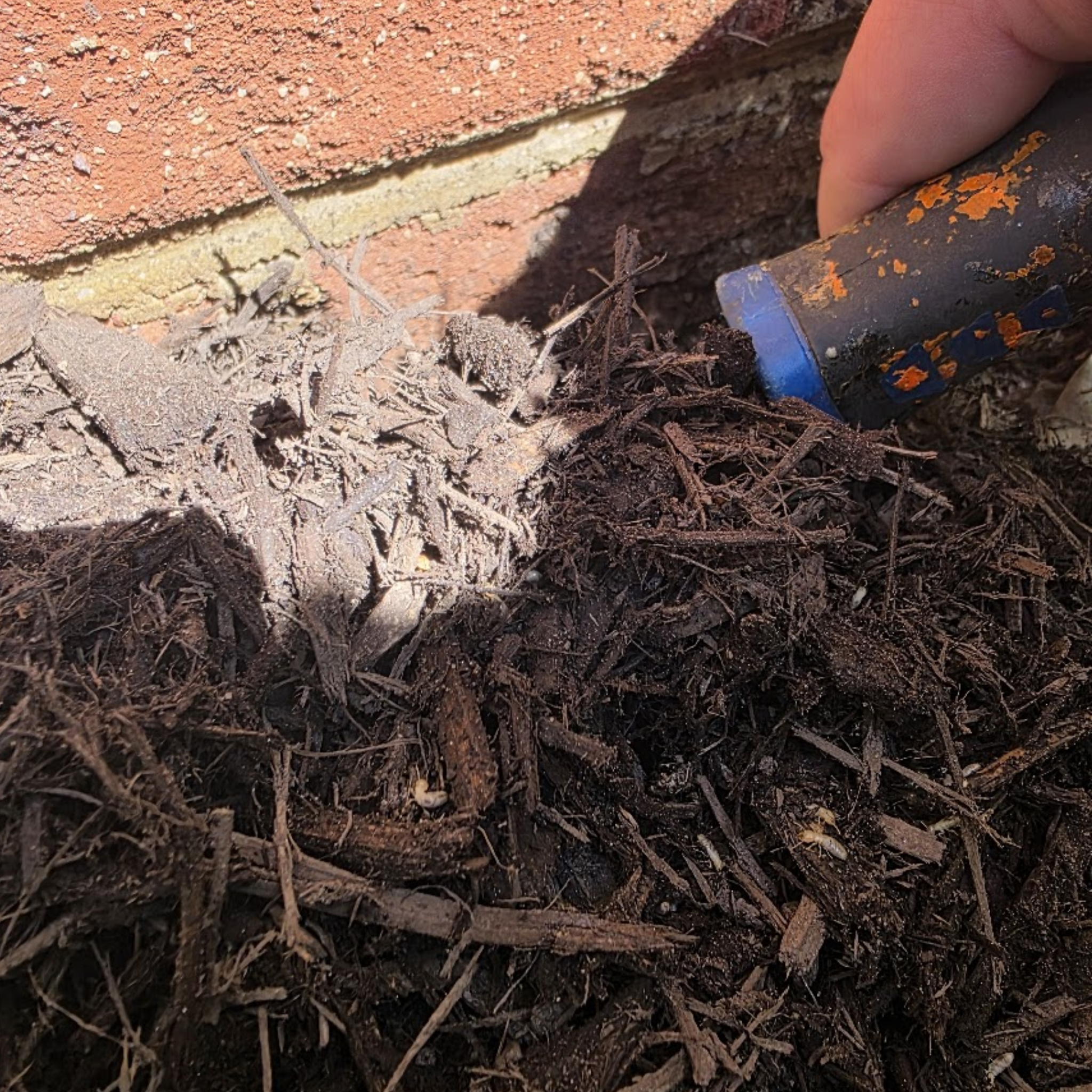
If you’ve stepped outside after a warm spring weather recently, you might have noticed something unsettling: thick clouds of tiny, winged insects hovering around your porch lights, windows, or backyard trees.
No, your eyes aren't playing tricks on you, and those aren't just regular flies. Termite swarming season is officially peaking across Northern Virginia.
Right now, conditions are perfect for the Eastern subterranean termite (the most common and destructive termite species in our area). Warm, humid days crossing above the 60°F mark—especially right after a heavy rain—are the exact triggers these pests wait for all year.
Here is what you need to know about what's happening in your yard, and why it matters for your home.
What Exactly Are "Swarmers"?
When a subterranean termite colony matures (which takes about 3 to 5 years and thousands of hidden members), it produces winged adults called swarmers or alates.
Their sole mission? To fly out of the parent nest, find a mate, drop their wings, and dig into the soil to build a brand-new colony.
The Good News: Swarmers themselves don't chew through your wood; they don't even have the mouthparts to do it.
The Bad News: Seeing them means there is a massive, fully mature, active colony right nearby. Even worse, if they successfully mate on your property, their offspring will become the destructive workers that feast on your home's foundation.
The Cheat Sheet: Termite Swarmers vs. Flying Ants
It’s incredibly common to mistake termite swarmers for harmless flying ants. Before you shrug it off, use this simple checklist to distinguish between them:
| Characteristic | Termite Swarmers | Flying Ants |
| Body Shape | Straight, thick waist (one uniform tube) | Pinched, narrow "hourglass" waist |
| Antennae | Completely straight (looks like tiny beads) | Bent or "elbowed" |
| Wings | 4 wings of equal length (twice as long as the body) | 4 wings, but the front wings are larger than the back wings |
Red Flags: When to Worry
Where you see the swarmers tells the real story of your risk level.
-
Seeing them OUTSIDE: If you see a swarm near a tree stump or out by the fence line, it's a reminder that termites live in our local soil. It’s a great time to schedule a preventive inspection before they march toward your house.
-
Seeing them INSIDE: If you find swarmers flying around your indoor windowsills, or if you wake up to a pile of discarded, translucent wings on your floor, this is an immediate red flag. Termites are weak fliers; if they are inside your home, they likely emerged from a colony already eating wood under your floorboards or inside your walls.
Simple Steps to Protect Your NoVA Home Right Now
While we handle the heavy lifting of eradicating the colony, you can make your home much less appealing to invading swarmers today:
-
Mind the Mulch: Keep wood mulch at least 8 to 12 inches away from your home’s foundation. Mulch holds moisture and provides a direct highway for termites.
-
Flip the Switch: Turn off your outdoor porch lights at dusk during May. Swarmers are naturally drawn to light sources when looking for a place to land.
-
Fix the Drains: Direct downspouts away from your house. Subterranean termites thrive on moisture; a damp foundation is an open invitation.
Don't Guess. Protect Your Investment.
Termites cause billions of dollars in structural damage every year, and standard homeowners insurance won't cover it. If you’ve spotted flying swarmers, dropped wings, or suspicious mud tubes along your foundation walls, don't wait for the damage to worsen.
Give us a call today to schedule a comprehensive termite inspection. We’ll find where they’re hiding and stop the colony in its tracks.